What Is Depression Screening? Questions, Tools, and Next Steps
What is depression screening? It is a structured way to notice possible depression symptoms early by answering a standard set of questions about mood, interest, sleep, energy, concentration, appetite, and daily functioning. A screening is not the same as a professional evaluation, and it cannot decide by itself whether someone has a depressive disorder. Its value is practical: it turns vague concerns into clearer information that can guide a conversation with a clinician, therapist, or trusted support person. If you want a calm place to understand symptom patterns over time, an online MADRS-based reflection tool like a depression severity check-in can support that process.

What Depression Screening Means
Depression screening is usually a first-step filter. It asks whether common experiences have been present often enough, long enough, or intensely enough to deserve closer attention. In health care settings, the goal is to identify people who may benefit from a fuller assessment and follow-up care. In personal self-reflection, the goal is usually to organize observations before speaking with someone qualified.
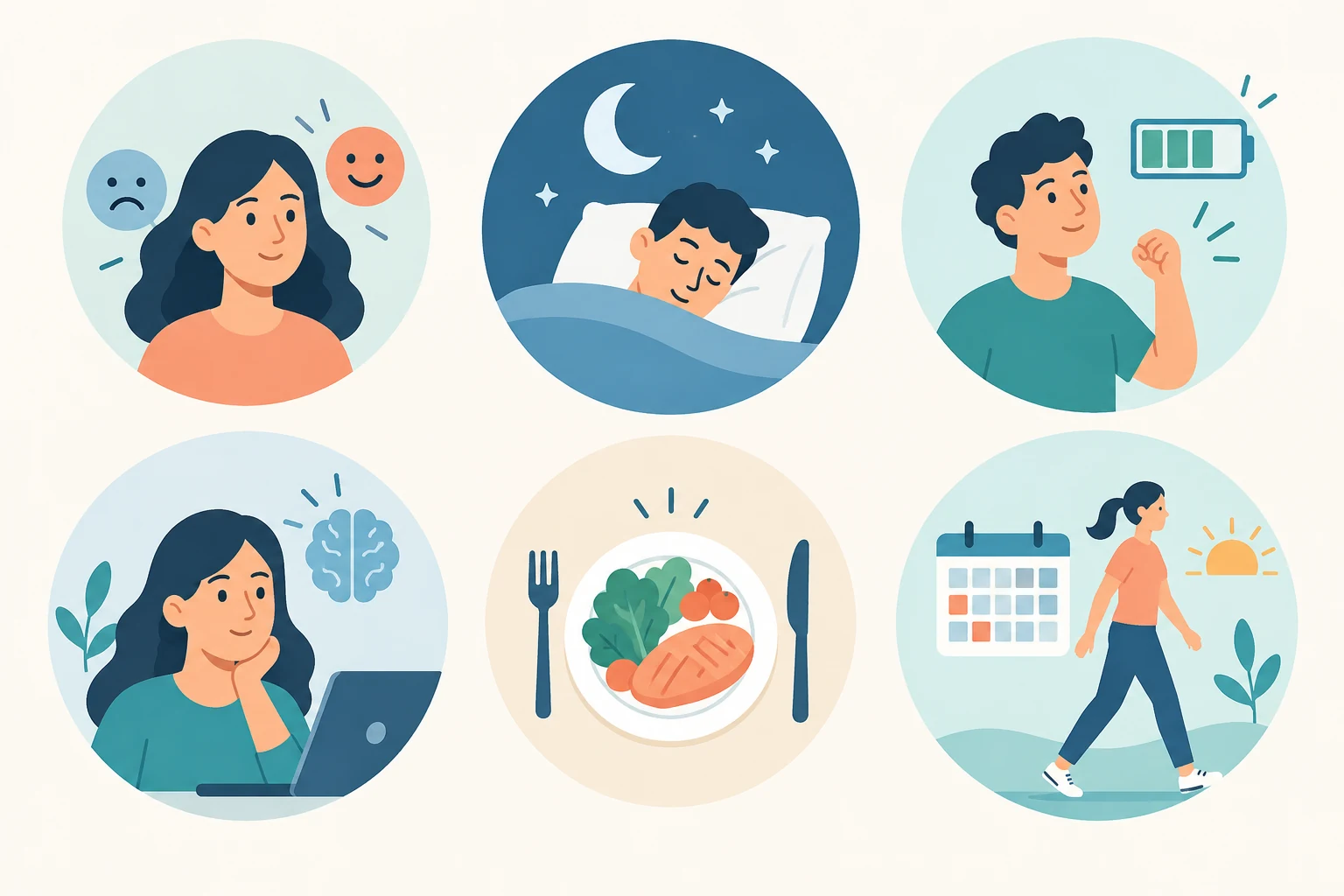
Screening matters because depression can affect thoughts, feelings, behavior, body rhythms, and the ability to function. It may look like sadness, but it may also appear as irritability, numbness, loss of interest, slowed movement, sleep disruption, appetite change, guilt, low energy, or difficulty concentrating. Some people first notice the practical effects: work feels harder, relationships require more effort, or ordinary routines become unusually heavy.
A screening result should be read as a signal, not a verdict. A higher score can suggest that symptoms deserve attention. A lower score can still miss context, especially if symptoms are new, masked, intermittent, or affected by grief, medical illness, medication, substance use, stress, or bipolar-spectrum symptoms. That is why screening works best when it leads to thoughtful interpretation rather than a label.
What Questions Are on a Depression Screening?
Most depression screening questions focus on the past two weeks, though some tools use a different time frame. They commonly ask about low mood, loss of interest or pleasure, sleep, fatigue, appetite, self-worth, concentration, movement changes, and thoughts of self-harm. A clinician may also ask about recent life events, medical history, family history, alcohol or drug use, medications, and whether symptoms interfere with daily life.
The PHQ-2 is a very brief screen that asks about two core areas: low mood and loss of interest. If either area raises concern, the PHQ-9 may be used as a fuller Patient Health Questionnaire. PHQ-9 scoring gives each of nine symptom areas a frequency rating, often from "not at all" to "nearly every day." The total score helps estimate symptom severity and can support follow-up, but it still needs context.
Other tools may be used in specific settings. The EPDS is often used around pregnancy and the postpartum period. The Geriatric Depression Scale may be used with older adults. MADRS focuses on depressive symptom severity and is often valued for tracking change over time. If your goal is to reflect on how symptoms may be shifting week by week, an online MADRS assessment can be a structured way to capture that pattern for later discussion.
How Long Does a Depression Screening Take?
A depression screening can be very short. A two-question screen may take under a minute. A PHQ-9 often takes only a few minutes for many people, although thoughtful answers may take longer. A more detailed assessment with a clinician can take more time because the professional is not only adding up answers; they are asking follow-up questions, checking safety, considering other conditions, and discussing what support might fit.
Time also depends on the setting. A primary care visit may use a quick questionnaire before the appointment. A therapy intake may include broader emotional, medical, and social history. Online self-reflection tools may feel faster because they guide you through fixed questions, but the real usefulness often comes afterward, when you consider patterns and decide whether to share the results with a professional.
The most important point is not speed. It is whether the result leads to an appropriate next step. A quick screen with no follow-up can leave someone with an unexplained number. A short screen connected to a careful conversation can be much more useful.
Signs and Symptoms Screening Often Looks For
Depression can show up differently from person to person, but screening tools usually look for clusters of symptoms rather than one isolated feeling. Adults may report feeling sad, empty, hopeless, guilty, or unusually irritable. They may lose interest in activities that normally matter to them. Sleep can become too little, too much, or poor in quality. Energy may drop, concentration may feel unreliable, and decisions may become harder.
Body and behavior changes matter too. Appetite or weight may shift. Movement can feel slowed, or agitation may make it difficult to sit still. Some people withdraw from others, fall behind on responsibilities, or feel disconnected from future plans. Screening questions often ask about frequency because occasional low days are common, while repeated symptoms across days or weeks deserve closer attention.
SIGECAPS is one memory aid sometimes used to remember symptom areas: sleep, interest, guilt, energy, concentration, appetite, psychomotor change, and suicidal thoughts. It is not a self-labeling shortcut. It is simply a way clinicians and learners organize the broad range of symptoms that may appear in major depressive episodes.
If thoughts of self-harm, harm to others, or feeling unable to stay safe are present, treat that as urgent. Contact local emergency services, a crisis service in your country, or a nearby medical professional right away.
Screening, Assessment, and Diagnosis Are Different
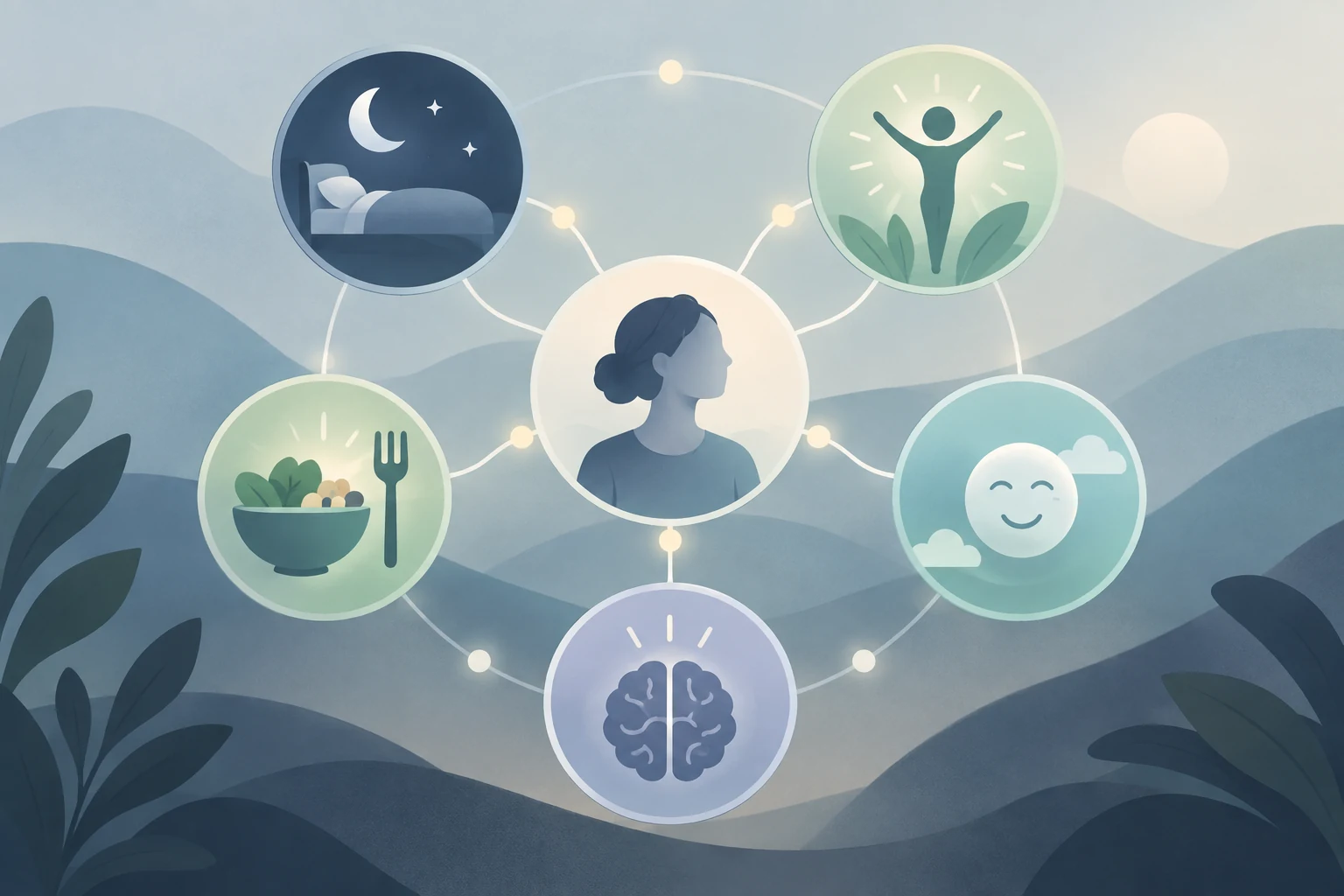
The words screening, assessment, and diagnosis are often mixed together, but they do different jobs. Screening asks, "Is there enough concern to look more closely?" Assessment asks, "What is happening, how severe is it, what else could explain it, and what support is appropriate?" A clinical diagnostic decision requires professional judgment and may include history, symptom duration, functional impact, medical considerations, and other mental health possibilities.
This distinction protects people from overinterpreting a score. A depression test online can be a useful starting point, but it does not see the full person. It may not know whether sleep problems are caused by shift work, whether low energy is related to anemia or thyroid disease, whether grief is the central issue, or whether periods of elevated mood suggest a different clinical pathway.
Screening is strongest when it is paired with adequate support. Health organizations emphasize that people who screen positive should be evaluated further and connected with appropriate care when needed. In everyday terms, a screen opens a door; it does not replace the conversation inside the room.
Common Types of Depression Mentioned After Screening
Depression screening may lead to questions about different depressive conditions. Major depressive disorder involves a pattern of symptoms that lasts at least two weeks and interferes with life. Persistent depressive disorder involves a longer-running pattern of depressive symptoms. Seasonal affective disorder is associated with seasonal changes for some people. Perinatal or postpartum depression occurs during pregnancy or after birth and deserves careful support.
Depressive symptoms can also appear alongside anxiety, substance use, chronic illness, grief, trauma, or bipolar disorder. That is one reason a positive screen should be followed by professional interpretation. The type, context, and timing of symptoms can change what kind of support is most appropriate.
For readers comparing tools, PHQ-9, PHQ-2, and MADRS are not interchangeable. PHQ tools are commonly used as brief screening questionnaires. MADRS is a depression severity rating scale often used to understand symptom intensity and track change. Each can be useful, but the right tool depends on the question being asked.
How to Use Results Without Overreading Them
After a screening, write down three things: your score or result category, the symptoms that stood out, and what has changed in your daily functioning. This turns a number into a more useful story. For example, "sleep and concentration worsened over two weeks" is more actionable than "my score was higher."
If you repeat a screening, try to use the same tool under similar conditions. Repeating too often can make small day-to-day fluctuations look more meaningful than they are. Repeating at a reasonable interval, especially when guided by a clinician, can show whether symptoms are improving, staying stable, or becoming more disruptive.
Be cautious with search phrases like "am I depressed quiz" or "do I have depression." They reflect a real need for clarity, but the answer should not come from a quiz alone. A better question is: "What am I noticing, how much is it affecting life, and who can help me interpret it?"
A Calm Next Step After Depression Screening
What is depression screening most useful for? It is useful for moving from uncertainty to organized reflection. If the result suggests concern, consider sharing it with a primary care clinician, therapist, psychiatrist, or another qualified professional. Bring notes about symptom timing, sleep, appetite, energy, concentration, stressors, medications, substance use, and any safety concerns.
You can also use screening as part of ongoing monitoring. A tool such as MADRS-based symptom tracking may help you notice whether depressive symptoms feel lighter, heavier, or different over time. Keep the boundary clear: online scoring can support awareness and conversation, but it should not replace professional care when symptoms are intense, persistent, confusing, or connected to safety concerns.
The goal is not to collect scores for their own sake. The goal is to make the next conversation clearer, more grounded, and easier to start.

FAQ
What are the signs and symptoms of depression in adults?
Common signs include persistent low mood, loss of interest, sleep changes, fatigue, appetite or weight changes, guilt or worthlessness, concentration problems, slowed or restless movement, withdrawal, and thoughts of self-harm. A screening looks for patterns across several symptoms, not just one bad day.
What questions are on a depression screening?
Many screenings ask how often symptoms such as low mood, loss of interest, sleep problems, low energy, appetite changes, poor concentration, self-critical thoughts, movement changes, or self-harm thoughts have occurred. A clinician may add questions about history, safety, medical issues, medication, stress, and daily functioning.
How long does a depression screening take?
A very brief screen may take less than a minute. A PHQ-9 often takes a few minutes. A fuller professional assessment can take longer because it includes context, follow-up questions, safety review, and discussion of possible care options.
What are the different types of depression?
Commonly discussed types include major depressive disorder, persistent depressive disorder, seasonal affective disorder, and perinatal or postpartum depression. Depressive symptoms may also occur with other health or mental health conditions, so professional interpretation matters.
Is PHQ-9 scoring the same as a diagnosis?
No. PHQ-9 scoring can help estimate symptom severity and guide follow-up, but it is not a complete professional evaluation. Results should be interpreted with symptom history, functioning, safety, medical context, and clinical judgment.
Can an online depression test tell me if I am depressed?
An online screening can help you notice possible symptoms and organize your thoughts. It should not be treated as a final answer. If symptoms persist, worsen, interfere with life, or raise safety concerns, it is wise to speak with a qualified professional.
When should I seek professional help after screening?
Consider seeking help if symptoms last for two weeks or more, disrupt work or relationships, make basic routines difficult, or feel hard to manage alone. Seek urgent local help immediately if you may not be safe or if thoughts of self-harm are present.