MADRS Score Ranges: Normal, Mild, Moderate, Severe Explained
Understanding your score on a mental health assessment can feel confusing. What do the numbers from a MADRS test actually mean? If you or a clinician are using the Montgomery-Åsberg Depression Rating Scale (MADRS), interpreting the result is a critical step toward monitoring mood and treatment effectiveness. This guide breaks down the MADRS score ranges—from normal to severe—to help you understand the results with clarity and confidence.
The MADRS is a gold-standard clinical tool used worldwide to measure the severity of depressive symptoms. It provides a numerical snapshot that helps track changes over time. Understanding these numbers helps individuals talk more effectively with providers. Clinicians can then tailor treatment plans better.
At our platform, we provide a confidential and accessible way to complete this assessment. Our online tool gives you an immediate score, helping you take the first step in understanding your emotional state. To get a clear baseline, you can start your assessment today.

What Are MADRS Score Ranges & Why They Matter for Depression Assessment?
This scale evaluates ten key symptoms of depression, including sadness, inner tension, sleep, appetite, and concentration. Each item is scored from 0 to 6, leading to a total possible score of 60. This total score is then categorized into specific ranges that correspond to different levels of depression severity.
These ranges are not just labels; they are clinically recognized benchmarks that help professionals assess the intensity of symptoms and monitor how well a treatment is working. For an individual, knowing the range provides context for their experiences and facilitates a more productive discussion with a doctor or therapist.
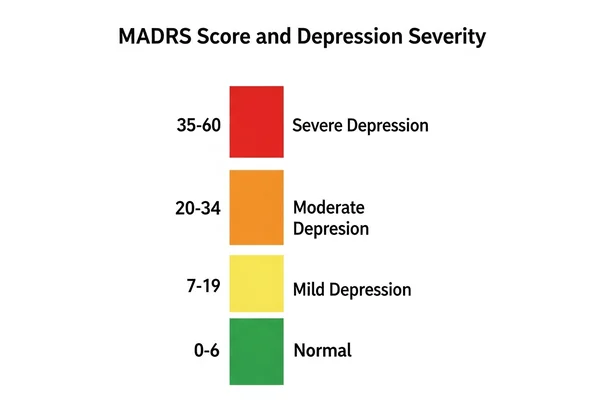
The Core MADRS Score Categories Defined (0-6, 7-19, 20-34, 35-60)
The total MADRS score falls into one of four primary categories. These thresholds are widely used in clinical practice and research to classify the severity of a depressive episode.
- 0–6: Normal / Symptom-Free
- 7–19: Mild Depression
- 20–34: Moderate Depression
- 35–60: Severe Depression
Understanding which category a score falls into is the first step toward making sense of the result. Each level signifies a different degree of impact on a person's daily life and indicates a different path forward for care and monitoring.
Beyond the Numbers: Why Accurate Interpretation of MADRS Levels is Crucial
While the numbers provide a valuable framework, it's essential to remember that a score is just one piece of the puzzle. Depression is a complex experience, and a single number cannot capture the full picture of a person's life, challenges, and strengths.
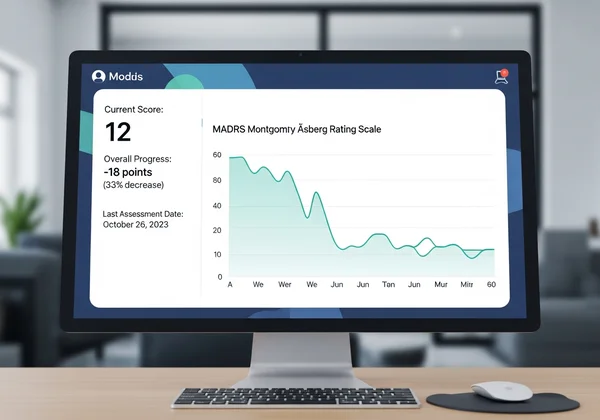
Accurate interpretation needs context. A professional considers your score, interview, history, and other factors. The true power of the MADRS lies in its ability to track changes. A score that decreases over time, for example, is a strong indicator that a treatment plan is effective.
Deciphering Your MADRS Score: From Normal Mood to Severe Depression Thresholds
Each MADRS score range tells a different story. Below is a detailed breakdown of what each level typically indicates, helping you better understand the results from an assessment.
Normal MADRS Score: What Does a Low Score (0-6) Indicate?
A score in the 0-6 range is considered normal. This suggests that you are likely not experiencing significant depressive symptoms at this time. It reflects a healthy emotional state where mood does not interfere with your daily activities, relationships, or overall well-being.
Even with a low score, it is always beneficial to practice good mental hygiene, such as maintaining social connections, getting regular exercise, and managing stress. Monitoring your mood periodically can help you recognize any changes early on.
Mild Depression (7-19): Recognizing Early Signs and Symptoms
Scores between 7 and 19 typically indicate mild depression. At this level, you may notice persistent feelings of sadness, a loss of interest in activities you once enjoyed, or increased fatigue. These symptoms are noticeable but may not completely prevent you from fulfilling work or social responsibilities.
This range often serves as an early warning sign. It is an ideal time to speak with a healthcare provider or therapist. Monitoring your symptoms closely can help determine if this is a temporary state or an issue that requires further support. Taking a free MADRS test can be a helpful step in tracking these early signs.
Moderate Depression (20-34): Understanding the Impact and Next Steps
A score in the 20-34 range points to moderate depression. At this stage, symptoms are more pronounced and are likely interfering significantly with your daily functioning. You might struggle with concentration at work, withdraw from social activities, and experience disruptions in sleep and appetite.
This score signals it's time for professional help. A doctor can diagnose formally and create a plan with therapy, meds, or lifestyle changes. Consistent monitoring is crucial to see how well the treatment is working.

Severe Depression (35-60): When Urgent Professional Consultation is Needed
Scores of 35 and above indicate severe depression. This level of depression is associated with intense and pervasive symptoms that make daily activities feel overwhelming or impossible. It can involve profound sadness, feelings of worthlessness, and, in some cases, thoughts of self-harm.
If your score falls into this range, it is critical to seek professional medical help immediately. Your well-being is the top priority. Please contact a doctor, psychiatrist, or a mental health crisis line without delay. A high score is a clear signal that you need comprehensive support from a qualified professional.
Factors Influencing MADRS Interpretation & Best Practices for Monitoring
Interpreting a MADRS score involves more than just looking at the number. Several factors can influence the results, and understanding them leads to more effective monitoring.
The Dynamic Nature of Depression: How MADRS Scores Can Change Over Time
Depression isn't static. Scores can fluctuate daily or weekly due to stress, life events, health, or treatment.
This is why a single test is just a snapshot. The real value comes from repeated assessments. By tracking your score over time, you and your clinician can identify trends, understand what triggers changes in your mood, and see clear evidence of treatment progress.
Beyond the Score: Integrating Clinical Judgment with Your MADRS Result
Disclaimer: The MADRS scale is a professional assessment tool and not a substitute for a clinical diagnosis. The information provided by MADRS.net is for educational and monitoring purposes only and should not be used to self-diagnose or replace consultation with a qualified healthcare provider.
A MADRS score is a supportive tool, not a diagnosis in itself. A trained clinician will use their professional judgment to interpret the result within the broader context of your life. They will talk with you about your experiences, helping to create a full and accurate picture of your mental health. Always discuss your score with a doctor to understand what it means for you personally.
Using This Tool for Consistent and Reliable Score Tracking
Keeping a consistent record of your MADRS scores can be empowering. It provides you with tangible data to bring to your appointments and helps you feel more involved in your own care.
Our platform at MADRS.net is designed for this purpose. You can take the assessment whenever you need to and keep a private record of your results to monitor your journey. For those seeking deeper insights, we also offer an optional AI-powered report that analyzes your responses and provides personalized feedback on strengths, challenges, and actionable next steps.
Empowering Yourself with MADRS Score Knowledge for Better Mental Health Monitoring
Understanding the MADRS score ranges demystifies the process of mental health assessment. It transforms a number into a meaningful tool for communication, monitoring, and self-awareness. Whether you score in the normal, mild, moderate, or severe range, this knowledge empowers you to take proactive steps toward better well-being.
Knowing your score is the first step. The next is using that information to guide your actions—whether that means practicing self-care, tracking your mood, or having an informed conversation with a healthcare professional.
Ready to gain clarity on your current emotional state? Take the free MADRS test on our secure and confidential platform to get your instant score and begin your journey toward better understanding.
Frequently Asked Questions About MADRS Score Interpretation
What is a normal MADRS score?
If your score lands in the 0-6 range, that's considered normal. This indicates the absence of significant depressive symptoms and is considered the baseline for a healthy mood state. A score in this range suggests that your emotional well-being is stable.
How do you interpret MADRS scores in a clinical context?
In a clinical context, professionals use MADRS scores to gauge the severity of depression and to monitor a patient's response to treatment over time. A clinician never relies on the score alone; it is always interpreted alongside a direct interview, patient history, and other diagnostic criteria to form a complete clinical picture.
What is the difference between mild and moderate MADRS scores?
The primary difference lies in the impact on daily functioning. A mild score (7-19) reflects noticeable symptoms that are distressing but may not fully impair work or social activities. A moderate score (20-34) indicates more significant symptoms that clearly interfere with a person's ability to function in their daily life.
Can I use MADRS for self-assessment, and how accurate is it?
Yes, this assessment can be a highly valuable tool for self-assessment and monitoring. It is one of the most accurate and reliable clinician-rated scales for depression. When used for self-reporting, it provides a very strong indication of symptom severity. However, it is a screening and monitoring tool, not a diagnostic one. For a formal diagnosis, you must consult a healthcare professional. You can try our free tool to get an accurate score to discuss with your provider.